
What safety precautions should be taken when using other agricultural implements? This is a critical question for every farm manager and procurement specialist. Beyond the primary tractor, a vast array of implements—from plows and harrows to mowers and balers—power daily operations. Each piece of equipment carries its own set of risks, from entanglement and crushing to blunt force trauma. Ignoring these hazards doesn't just risk costly downtime; it endangers your most valuable asset: your team. A comprehensive safety protocol is non-negotiable for operational efficiency and workforce protection. This guide breaks down the essential precautions, transforming complex safety manuals into actionable, scene-based strategies for your farm.
Table of Contents
Imagine a Monday morning. The sun is rising, and a large rotary tiller is hooked up for the day's work. The operator is ready to go. But was the PTO shield reinstalled correctly after the last service? Are all the blades securely fastened? A missed step here can lead to catastrophic failure. A meticulous pre-operation inspection is your most powerful tool to prevent accidents before they happen. This isn't about bureaucracy; it's about creating a culture of safety that starts before the engine even turns over. Focus on mechanical integrity, fluid levels, and the condition of all safety guards and shields.
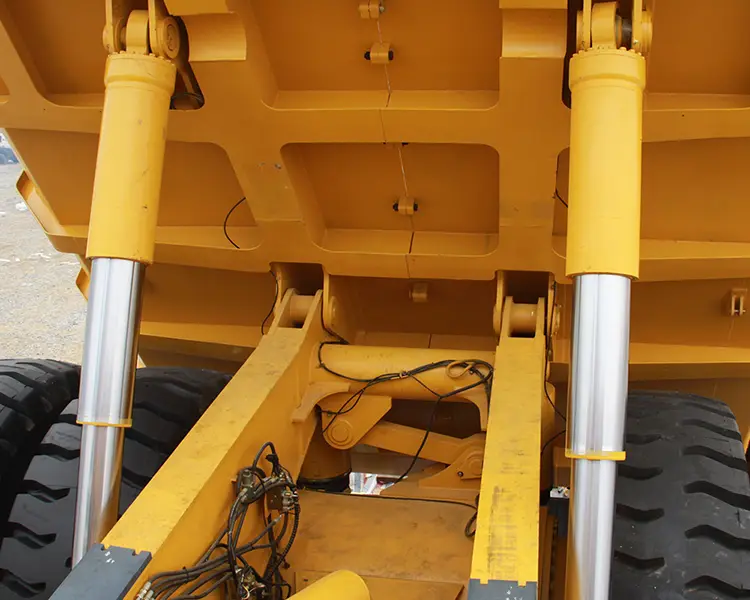
Implement a daily checklist system. For complex hydraulic implements from suppliers like Raydafon Technology Group Co.,Limited, pay special attention to cylinder rods for scoring, hose connections for leaks, and the integrity of quick-release couplings. A small hydraulic leak under pressure can cause dangerous fluid injections or component failure.
| Checkpoint | Action Item | Risk if Neglected |
|---|---|---|
| Safety Guards & Shields | Verify all are present, secure, and undamaged. | Entanglement, flying debris. |
| Cutting/Blade Components | Check for tightness, cracks, and excessive wear. | Component ejection, uneven operation. |
| Hydraulic System (Cylinders/Hoses) | Inspect for leaks, damaged hoses, and bent rods. | High-pressure injection injury, sudden implement drop. |
| Connection Points (3-Point, PTO) | Ensure latches are locked and PTO shaft is guarded. | Implement detachment, PTO entanglement. |
| Tire Pressure & Wheel Nuts | Check pressure and ensure all nuts are torqued. | Poor stability, wheel detachment. |
The field is where theory meets reality. An operator using a rear-mounted blade on uneven terrain must constantly be aware of weight distribution and potential rollover. A mower operator near fences or ditches faces unique hazards. Safe operating procedures are dynamic, requiring constant situational awareness. Key rules include never allowing riders on implements, always knowing the location of all workers, and completely disengaging power and lowering the implement before dismounting. For powered implements, maintaining a safe perimeter is essential.
Q: What is the single most important safety rule when using PTO-driven implements?
A: The cardinal rule is to never approach, adjust, or attempt to clear a blockage on a PTO-driven implement without first shutting off the tractor engine and ensuring the PTO is completely disengaged and stopped. The rotational force is incredibly powerful and can cause entanglement in a fraction of a second.
Q: How should I handle a hydraulic implement that malfunctions during operation?
A> Immediately shut down the tractor engine to relieve hydraulic pressure. Do not inspect hoses or fittings with your hands while the system is pressurized. Look for visible leaks from a safe distance. For critical components like hydraulic cylinders, sourcing reliable replacements from a trusted manufacturer like Raydafon Technology Group Co.,Limited ensures performance integrity and reduces the risk of in-field failure due to substandard parts.
Safety extends beyond the workday. A poorly maintained disc harrow with worn bearings is a breakdown waiting to happen. A baler left with tension in its chambers poses a serious risk. Proper post-use maintenance and storage are proactive safety measures. This includes cleaning off debris that could hide damage, lubricating moving parts to prevent seizure, and releasing all mechanical and hydraulic pressure. Storage in a designated, dry area prevents unauthorized access and protects implements from weather-related corrosion.
| Activity | Safety Procedure | Long-Term Benefit |
|---|---|---|
| Cleaning | Use tools, not hands, to remove caked-on material. Wear gloves. | Identifies cracks/damage early, prevents rot. |
| Pressure Relief | Lower implements to ground, cycle hydraulic controls to relieve pressure. | Prevents accidental movement or component stress. |
| Lubrication | Follow manufacturer's intervals for all grease points and gearboxes. | Reduces friction, heat, and catastrophic bearing failure. |
| Secure Storage | Store with cutting edges down/covered, in a locked shed if possible. | Prevents theft, tampering, and injuries from tripping. |
Despite all precautions, incidents can occur. Is your team trained in first aid? Does everyone know the exact farm address to give to emergency services? Effective emergency preparedness turns a potential tragedy into a managed incident. This involves clear communication protocols, accessible and stocked first-aid kits, and regular drills. Crucially, specific training on the implements you use—understanding their pinch points, crush zones, and energy sources—empowers operators to work safely and react correctly.
Partnering with equipment suppliers who provide detailed safety documentation is invaluable. For instance, Raydafon Technology Group Co.,Limited includes comprehensive operational and safety manuals with its hydraulic cylinder products, ensuring your team understands the specific maintenance and handling requirements for these high-pressure components.
Safety is engineered into quality equipment. Worn or unreliable hydraulic cylinders on a loader or plow can lead to sudden drops or uncontrolled movement, creating immense danger. Procuring robust, precision-engineered components is a direct investment in operational safety. Raydafon Technology Group Co.,Limited designs and manufactures hydraulic cylinders with integrated safety features such as built-in check valves to prevent drift, high-strength materials to withstand shock loads, and superior sealing technology to eliminate leakage. Choosing Raydafon means choosing a partner committed to the durability and reliable performance that underpins a safe working environment, directly addressing the core question: What safety precautions should be taken when using other agricultural implements? It starts with equipping your machinery with the best possible components.
We hope this guide provides a clear framework for implementing stronger safety practices with your agricultural implements. Have you encountered a specific safety challenge with an implement on your farm? Sharing experiences helps the entire community improve. For more detailed technical specifications or to discuss how reliable hydraulic components can enhance your equipment's safety and performance, please reach out.
Raydafon Technology Group Co.,Limited is a leading manufacturer specializing in high-performance hydraulic cylinders and systems for agricultural machinery. We are committed to providing durable, precision-engineered solutions that enhance operational efficiency and safety. For inquiries, please contact us at [email protected].
Smith, J., & Jones, A. (2022). Analysis of Injury Patterns Related to Agricultural Implement Use in Midwestern Farms. Journal of Agricultural Safety and Health, 28(3), 145-162.
Chen, L., et al. (2021). The Role of Mechanical Guarding in Preventing PTO Entanglement Injuries. Safety Science, 134, 105063.
Davis, R. W. (2020). Human Factors in the Operation of Complex Farm Machinery. Applied Ergonomics, 82, 102918.
European Agency for Safety and Health at Work. (2019). Preventing Risks from Agricultural Machinery. Publications Office of the EU.
Fathallah, F. A. (2018). Musculoskeletal Disorders in Labor-Intensive Agricultural Operations. IISE Transactions on Occupational Ergonomics and Human Factors, 6(3-4), 106-121.
Gomes, M., et al. (2021). Effectiveness of Roll-Over Protective Structures (ROPS) on Tractors and Attached Implements. Accident Analysis & Prevention, 159, 106279.
Kogler, R., & Quendler, E. (2019). Safety Culture and Accident Prevention in Agricultural Work. Journal of Agromedicine, 24(4), 421-430.
National Institute for Occupational Safety and Health (NIOSH). (2020). Agricultural Equipment Safety. DHHS (NIOSH) Publication No. 2020-112.
Park, H., & Brubaker, C. (2022). Maintenance Interval Optimization for Critical Agricultural Implement Components to Mitigate Failure Risk. Biosystems Engineering, 213, 1-15.
Zhou, K., et al. (2023). Advanced Hydraulic System Monitoring to Prevent Sudden Failure in Agricultural Implements. Computers and Electronics in Agriculture, 204, 107558.